logo
player background
live avator

5s
Total
0
Today
0
Total
0
Today
0
  • What would you like to know?
    Company Advantages Sample Service Certificates Logistics Service
Online Chat WhatsApp Inquiry
Auto
resolution switching...
Submission successful!
ホーム ニュース

会社のニュース Hybrid Apparel Labels: Why Brands Are Combining Multiple Materials for Premium Design

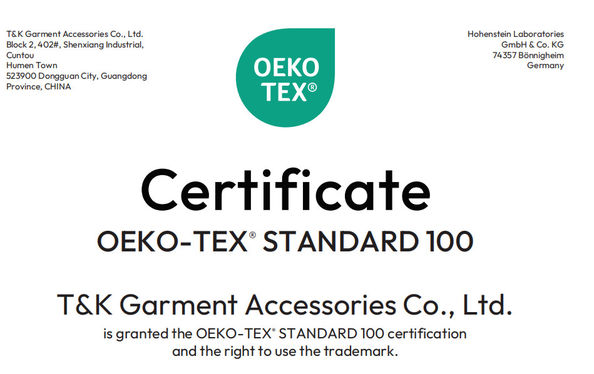
認証
中国 T&K Garment Accessories Co.,Ltd 認証
顧客の検討
2013がそれらを使用したので速い応答、よいサービス、よいチーム労働者、私は協力して実際に幸せに感じます。

—— ジェイソン

終わる3yearsを使うと、T&Kはですmerchandier実際に健康な働くこと協力し、販売はほしい各プロジェクト、uに両方の責任があるuそれらがいつでも見つけることができます。

—— ケルビン

まず、素晴らしい仕事を!しています!!私達および私のチームは非常に感謝しています!

—— Petter Hagglund

オンラインです
会社 ニュース
Hybrid Apparel Labels: Why Brands Are Combining Multiple Materials for Premium Design
最新の会社ニュース Hybrid Apparel Labels: Why Brands Are Combining Multiple Materials for Premium Design
Hybrid Apparel Labels: Why Brands Are Combining Multiple Materials for Premium Design
Introduction: Apparel Branding Is Moving Beyond Single Materials

The fashion industry is entering a new stage of brand differentiation. Traditional apparel labels often relied on one single production method, such as embroidery, printing, or woven labels.

However, premium fashion brands are now exploring a new approach: combining multiple materials and techniques into one unique branding element.

Hybrid apparel labels are becoming increasingly popular because they provide stronger visual impact, better texture, and a more premium product experience.

What Are Hybrid Apparel Labels?

Hybrid apparel labels are customized branding elements that combine different materials or manufacturing techniques.

Common combinations include:

  • Silicone + Fabric
  • TPU + Embroidery
  • Rubber + Metal
  • Leather + Woven Label

By combining different textures and materials, brands can create more distinctive logo applications.

Why Brands Are Choosing Multi-Material Branding
1. Creating More Premium Product Identity

Modern consumers increasingly evaluate products through details.

A hybrid label can provide:

  • Different surface textures
  • Three-dimensional effects
  • Enhanced craftsmanship
  • Stronger brand recognition

Instead of being only a logo, the label becomes part of the product design.

2. Supporting More Creative Designs

Single-material labels often have limitations.

Hybrid technology allows designers to combine:

  • Soft silicone textures
  • Fabric patterns
  • Metallic finishes
  • Embroidery details

This creates more possibilities for premium collections.

3. Improving Brand Differentiation

With increasing competition in global fashion markets, brands need unique visual identities.

Hybrid apparel labels help brands create:

  • Exclusive designs
  • Limited edition collections
  • Premium product details

This is especially important for:

  • Streetwear brands
  • Outdoor companies
  • Sportswear labels
  • Lifestyle fashion brands
Applications of Hybrid Labels in Modern Fashion

Hybrid branding solutions are widely used in:

  • Jackets
  • Hoodies
  • Sportswear
  • Bags
  • Outdoor apparel
  • Premium casual clothing

The combination of different materials allows brands to balance appearance, durability, and functionality.

The Future of Multi-Material Apparel Branding

As fashion brands continue searching for unique ways to communicate quality, hybrid apparel labels will become an important trend.

The future of apparel branding will not only focus on displaying logos but also creating memorable product experiences through materials and craftsmanship.

Conclusion

Hybrid apparel labels represent the evolution of traditional garment branding.

By combining silicone, TPU, embroidery, fabric, and other materials, brands can create premium details that improve product value and consumer perception.

As competition increases, multi-material branding will continue shaping the future of fashion accessories.

パブの時間 : 2026-07-24 16:39:21 >> ニュースのリスト
連絡先の詳細
T&K Garment Accessories Co.,Ltd

コンタクトパーソン: Miss. kiyila

電話番号: 13412215413

ファックス: 86--769-89776544

私達に直接お問い合わせを送信 (0 / 3000)